Where Did All My Time Go? How to Speed Up and Simplify the Grant Application Tracking Process

Main Takeaways:
- Grant application tracking becomes more difficult when information is spread across multiple systems and stakeholders.
- Applications often slow down between review stages, making workflow automation as important as the review itself.
- Limited visibility creates additional work in the form of status updates, meetings, and spreadsheet maintenance.
- Reporting is easier when data is captured consistently throughout the grant lifecycle rather than assembled after funding decisions have been made.
No one launches a grant program hoping to create another spreadsheet.
Yet spreadsheets, inboxes, shared folders, and manual tracking processes often become the unofficial system for managing applications as they move through review, approval, funding, and reporting.
As applications move through the grantmaking process, they accumulate supporting documents, reviewer comments, budgets, approval records, and applicant communications. Then, over time, grant teams end up spending just as much energy managing applications as they do evaluating them.
If any of this sounds familiar, you’re not alone. Many of the most common tracking challenges can be traced back to a handful of process bottlenecks: information, handoffs, context, visibility, and reporting. So, in this article, we’re going to break down a few practical ways you can use technology for immediate impact.
1. Keep Application Information in One Place
One of the fastest ways to improve grant application tracking is to reduce the number of places staff need to look for information.
For every grant application there are:
- supporting documents
- reviewer notes
- applicant communications
- budgets
- approval records
- reporting requirements
When those materials are stored across multiple systems, even basic questions require a significant amount of time and administrative work to answer.
A centralized grant management system helps eliminate those unnecessary searches by keeping application materials, supporting documents, review activity, and applicant information together in one location. Reviewers and administrators can then access the information they need immediately instead of tracking down the latest version of a document or searching through email chains.
2. Remove Manual Handoffs Wherever Possible
The moment an application arrives someone assigns it to a reviewer → the reviewer completes their assessment → the application moves to another round of approvals → more stakeholders weigh in → eventually a decision is made.
Now, none of those steps are inherently difficult, but managing them manually often creates delays.
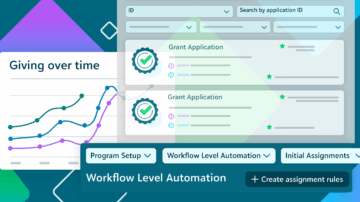
Workflow automation, on the other hand, can reduce many of these manual handoffs by routing applications automatically based on predefined criteria such as funding amount, geography, program type, or application responses. Approval paths can then be standardized so that every application follows the appropriate grant approval workflow and review process without requiring staff intervention at every step.
As programs scale, reducing these manual handoffs not only accelerates processing times but also improves consistency by ensuring applications move through the same workflow regardless of volume.
3. Give Reviewers Context Before They Start Reviewing
Every review creates new information that needs to be tracked, including reviewer comments, scoring decisions, recommendations, supporting documentation, and approval notes.
The more time reviewers spend searching through lengthy applications and attachments, the longer applications remain in the review stage and the more difficult it becomes to maintain visibility across the process.
This challenge often becomes even more noticeable as application volumes increase. Even small delays at the individual application level can compound across dozens or hundreds of submissions, creating bottlenecks that affect the overall timeline and make it harder for grant teams to predict when decisions will be made.
Providing reviewers with key information at the start of the review process can help applications move forward more efficiently. For example, AI Application Summaries can surface project objectives, requested funding, and program alignment before formal review begins, helping reviewers quickly understand the application without searching through multiple documents.
When reviewers can access the most relevant information immediately, applications spend less time waiting in review and grant teams gain a clearer view of where each submission stands.
4. Replace Spreadsheet Tracking with Real-Time Visibility
At some point, every grant team has experienced some version of the same question:
“Where does this application stand?”
In this moment, a grant maker can opt to:
a) Set up a follow-up meeting to discuss
b) Send a Teams message to a reviewer and wait for a response
c) Open the latest tracking spreadsheet (only to realize it’s no longer the latest tracking spreadsheet)
Or d) Pull up a dashboard in their grantmaking platform to see exactly where the application sits in the review process in seconds.
The irony is that spreadsheets and meetings efforts are all intended to make information easier to find, yet they often create more information to maintain.
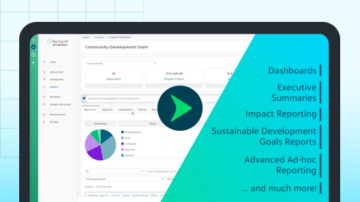
Dashboards and real-time application tracking, however, allow stakeholders to see progress for themselves, reducing the need for manual updates while giving grant teams a clearer view of where applications may be slowing down.
5. Capture Reporting Data as You Go
Many organizations treat reporting as a task that happens after funding decisions have been made. In reality, the effort required to produce reports is largely determined by how information is captured throughout the application process.
When application data, review outcomes, budgets, awards, payments, and outcomes are collected consistently from the beginning, much of the work needed for reporting has already been completed. Teams can access then program insights more quickly because they are working with data that has been structured and maintained throughout the grant lifecycle rather than assembled after the fact.
Ultimately, capturing reporting-ready data from the start, not only reduces the administrative effort required to produce board reports, funding summaries, and program performance analyses, but also helps organizations maintain a clearer connection between applications, awards, payments, and outcomes.
Simplifying Grant Application Tracking Starts with Reducing Administrative Work
The short version is, grant application tracking becomes more manageable when organizations focus on eliminating unnecessary complexity. Using grant management software to centralize information, reduce manual handoffs, provide reviewers with better context, improve visibility, and capture consistent data throughout the grant lifecycle can make applications easier to manage from submission through reporting.
Together, these small changes can help grant teams spend less time managing the application process and more time supporting applicants, making funding decisions, and overseeing active grants.
Topics

Not sure where your process is slowing down?
Before making changes to your existing workflow, it helps to understand where administrative effort is actually being spent. Download this quick Grant Application Tracking Health Check to help identify common bottlenecks across information management, workflow coordination, reviewer context, application visibility, and reporting. Or connect with us to see how grantmaking software can streamline your grant lifecycle management process.

Frequently Asked Questions
-
Grant application tracking is the process of monitoring grant applications as they move through each stage of the grantmaking process, from submission and review to funding decisions, reporting, and post-award activities. Effective grant application tracking helps grantmakers maintain visibility into application status, reviewer feedback, approval workflows, and related documentation.
-
One of the most effective ways to improve grant application tracking is to reduce the number of manual steps involved. Centralizing application information, automating workflows, providing reviewers with easier access to key information, and replacing spreadsheets with real-time dashboards can help organizations maintain visibility while reducing the time spent managing applications.
-
Grant reviews often involve more than evaluating applications. Supporting documents, reviewer comments, approval records, applicant communications, budgets, and reporting requirements all need to be tracked throughout the review process. When information is spread across multiple systems or workflows rely on manual handoffs, delays can occur between review stages and approvals.
-
A grant application management system should make it easier to track applications, manage reviews, monitor approvals, communicate with applicants, and report on program performance. Many organizations also look for workflow automation, real-time dashboards, document management, reporting capabilities, and tools that help reviewers quickly access the information they need.